Okinawa Biodegradable Plastic Circulation

From Okinawa’s beautiful seas,
we build regional circulation.

A public–private–academic platform where government, universities, research institutes, companies, and community groups work together to demonstrate a regional circulation model using biodegradable plastics.

Scroll
News

News

All news
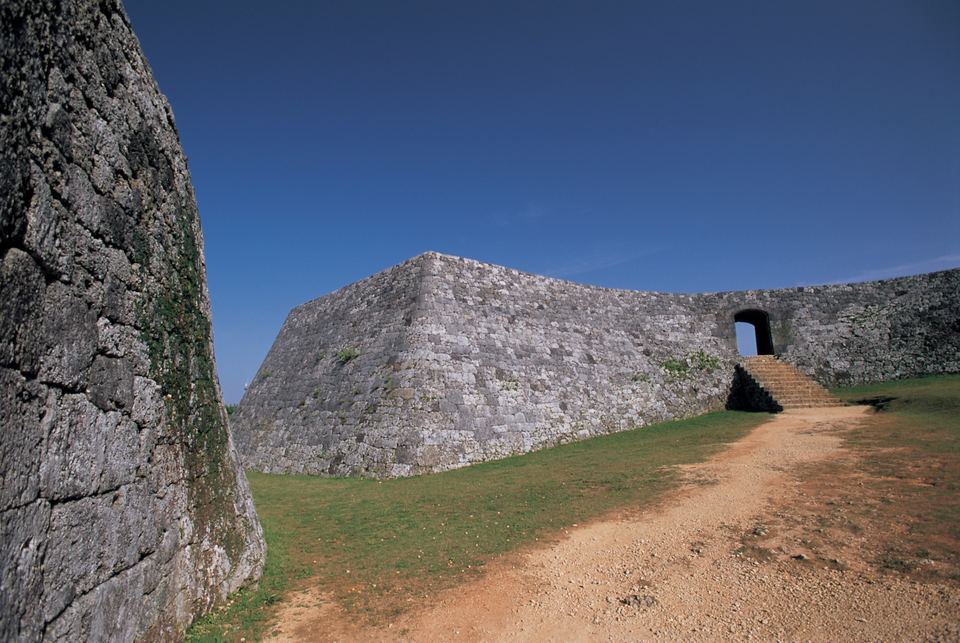
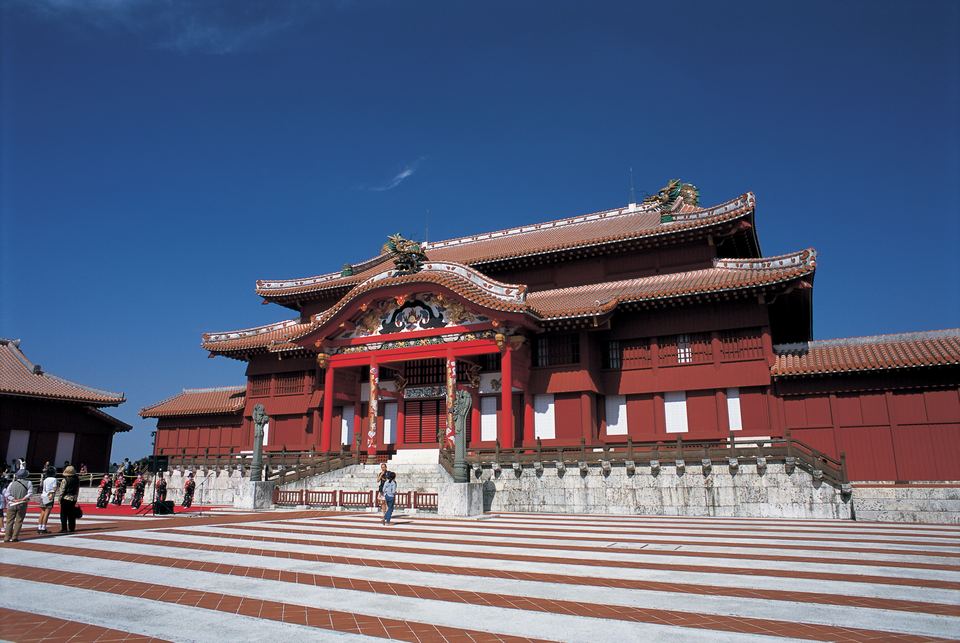
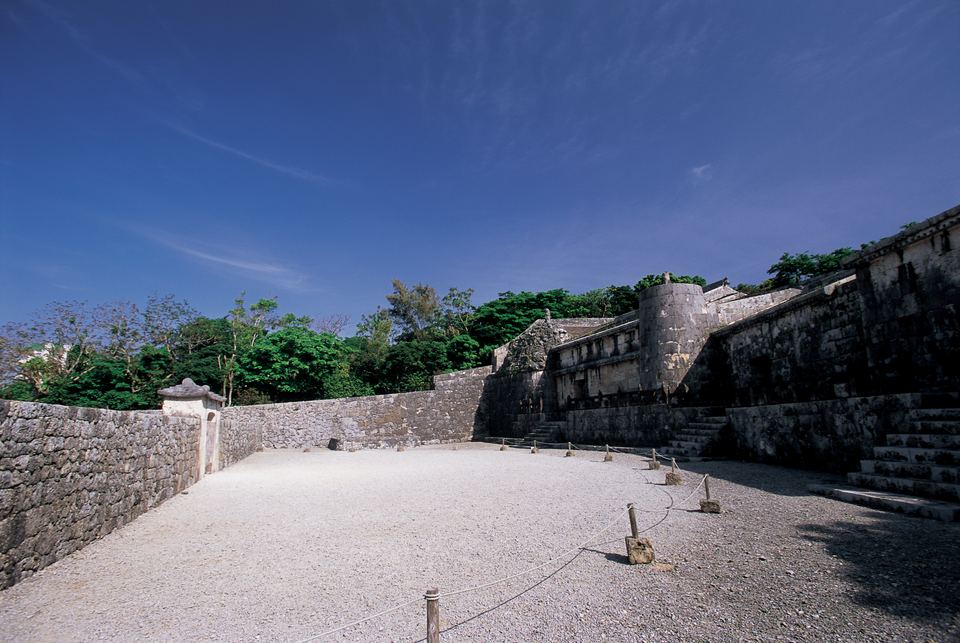
Historic landscape and sky in Okinawa
About OBCC

A new form of resource circulation, from Okinawa.

As an island region, Okinawa Prefecture faces waste-treatment costs, limited landfill capacity, and growing waste linked to tourism. Japan’s national government treats the shift to a circular economy as a key policy, advancing resource circulation, decarbonization, and regional vitality together.

This council aims to promote social demonstration of a regional circulation model using biodegradable plastics, and to build a neutral platform that connects government, universities, research institutes, companies, community groups, and citizens.

We aim to apply insights from demonstration to public policy, education, tourism, disaster preparedness, and local industry, and to share a model starting in Okinawa City across the prefecture and, in time, nationwide.

Through collaboration with diverse partners, the council seeks a circular society that fits Okinawa.

How we collaborate
Why Okinawa

Why we work here.

To pass on beautiful seas and island life to the next generation, we examine circulation systems suited to this region.

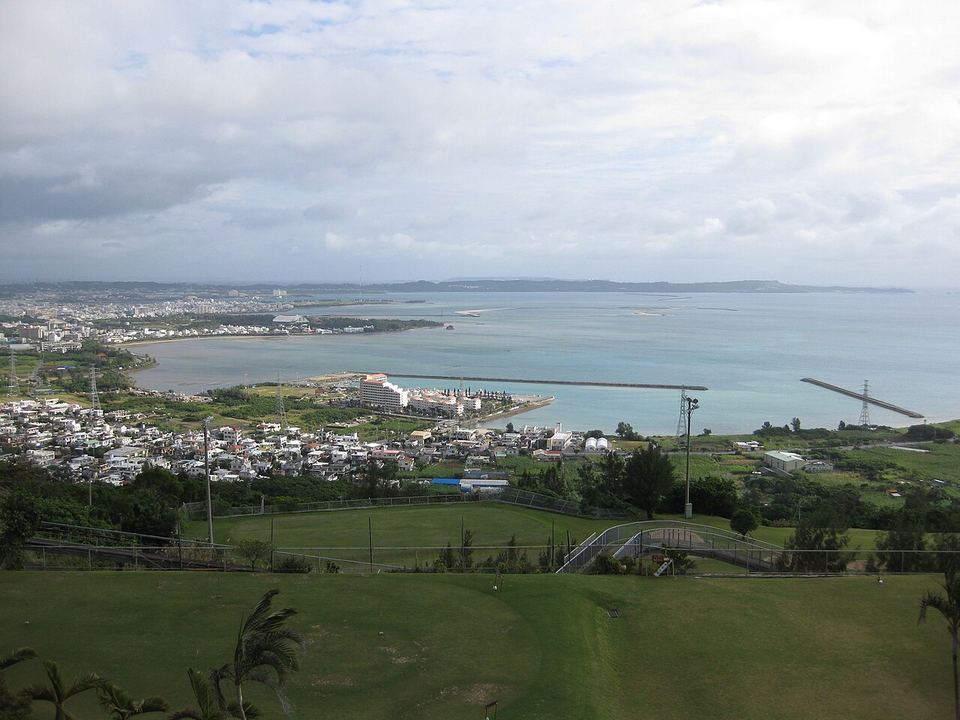
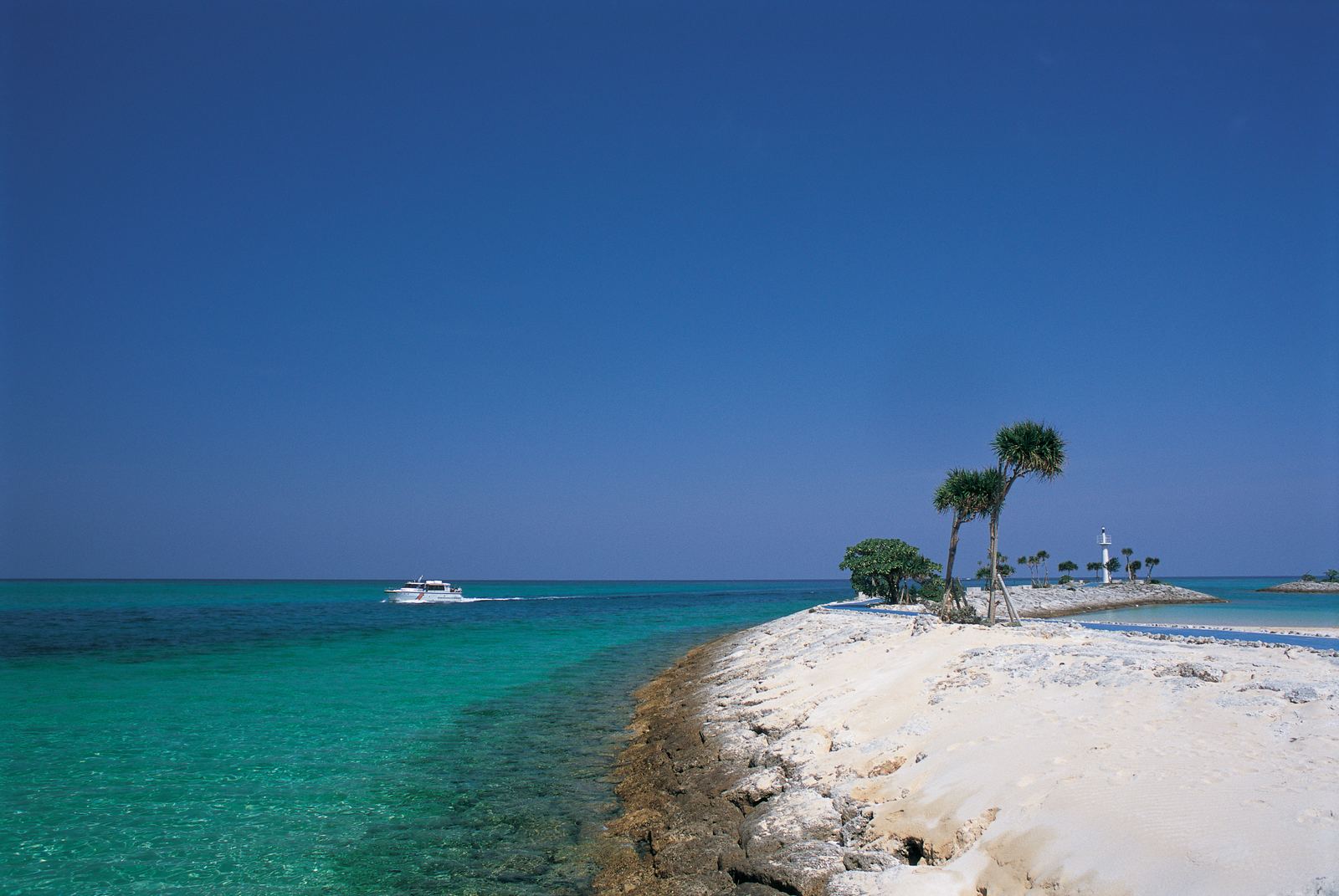
Awase tidal flat in Okinawa City
01

Looking ahead to ocean impacts

In Okinawa, tourism and daily life sit next to the sea. Options that can reduce the risk of single-use plastics entering the ocean need to be considered.

Awase tidal flat (Okinawa City) / Photo: Ray_go / Wikimedia Commons / CC BY-SA 3.0
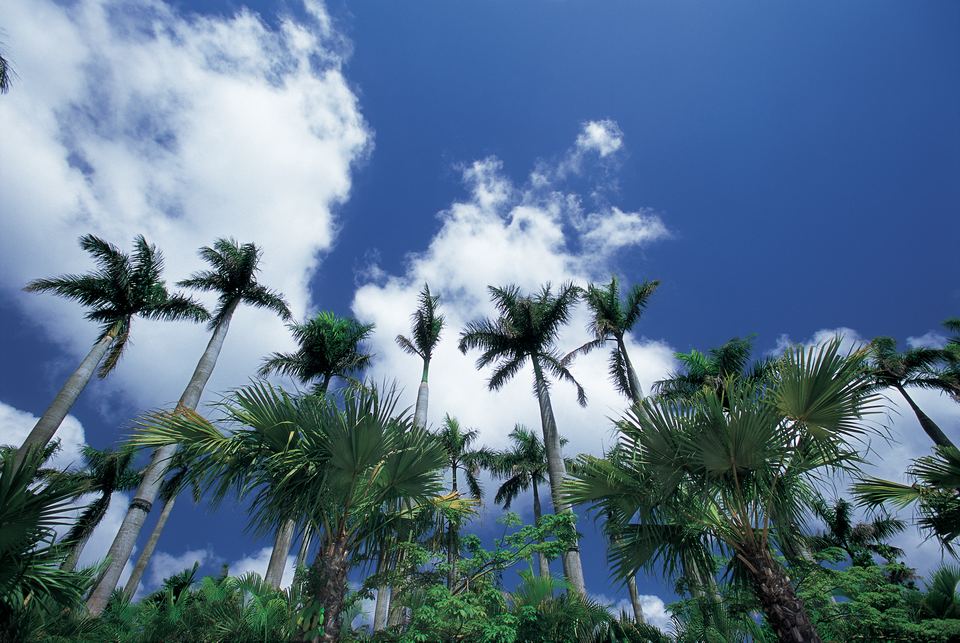
Tree-lined road and sky in Okinawa
02

The burden of treatment and transport

On islands, treating waste and shipping it off-island involves cost and distance. We explore circulation that can be completed more locally.

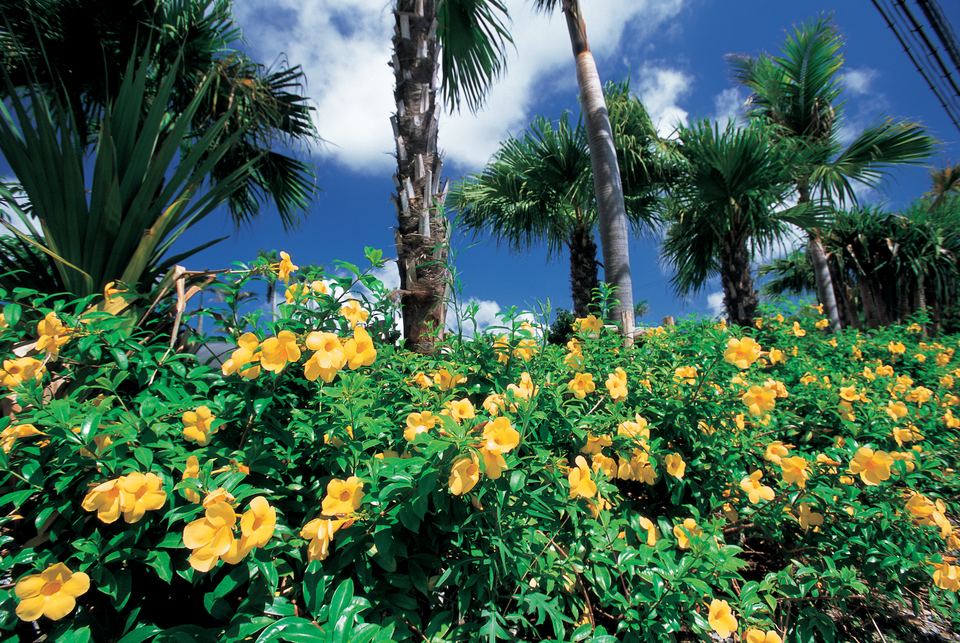
Flowers and greenery in Okinawa
03

Circulation of containers and materials

We examine a model that connects everyday containers and materials from dining, events, and retail—from collection through breakdown and return to the community.

Circulation Model

Connecting use all the way through to after use.

We aim to verify use, collection, sorting, transport, breakdown, and return to the community as one system, and to build a circulation model suited to Okinawa.

01

Use

We map where biodegradable containers and materials can be used.

Illustration of the circulation model
02

Collection

We study post-use collection routes and operating conditions.

Illustration of the circulation model
03

Sorting

We review on-site sorting methods and how to label and communicate them.

Illustration of the circulation model
04

Transport

We organize the efficiency and challenges of moving and consolidating materials within the islands.

Illustration of the circulation model
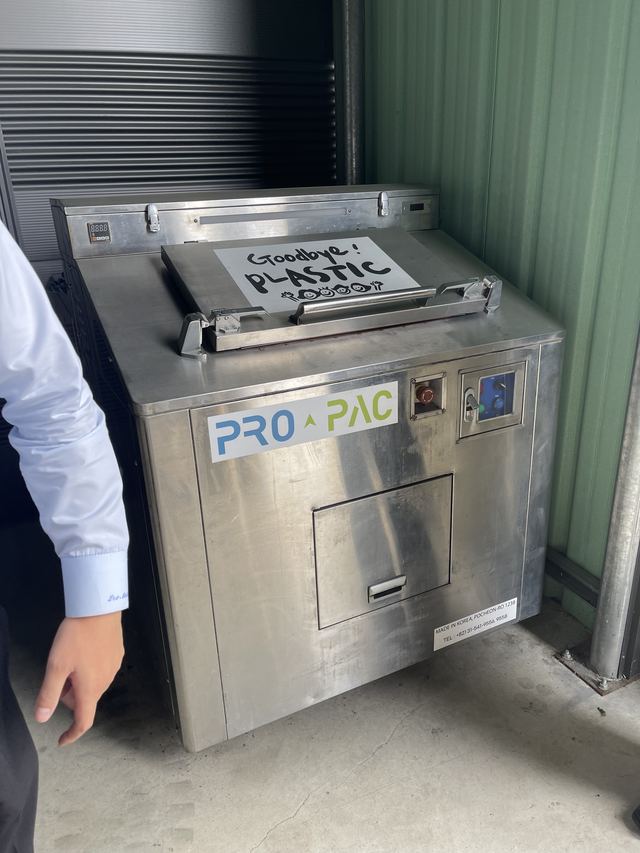
Image of a breakdown treatment process
05

Breakdown

We proceed with verification of breakdown conditions and treatment methods.

Image of a breakdown treatment process
06

Return to community

We explore how treated resources might be used locally.

Illustration of the circulation model
Field of Action — Where

Fields envisioned for demonstration

These are candidate areas under consideration and coordination—not claims that programs are already in place.

Tourism

Tourism

We consider how short-use materials are handled at visitor-heavy sites such as tourism facilities.

Events

Events

We envision sorting and collection where containers and materials concentrate in a short period, such as festivals.

Dining

Dining

We study use and collection of food containers in restaurants, food courts, and similar settings.

Retail

Retail

We organize substitution potential at everyday contact points, such as packaging and takeaway materials in stores.

Public Facilities

Public facilities

We consider demonstration sites linked with environmental education in public spaces and schools.

Agriculture

Agriculture

We examine possible agricultural uses as a way to return treated resources to the region.

Focus Areas

Priority themes toward demonstration

These are the current pillars of design and study. They do not represent live demonstration projects already in operation.

01

Designing a regional circulation model

We work on designing the flow from use through return to the community, matching Okinawa’s geography and existing treatment systems.

02

Collection and sorting methods

With partners, we study collection routes, sorting labels, and communication that can be sustained on site.

03

Breakdown conditions and treatment

We confirm treatment conditions and operational points on a scientific basis.

04

Evaluation and conditions for social use

We organize indicators such as environmental load, safety, and operating cost, and the conditions needed for broader social use.

Partnership

We aim to advance through public–private–academic collaboration

This is not a venue to promote any single company. We build a collaboration space that values public interest and neutrality. Organization and individual names will be published after consent.

Government

Helps grasp local issues, connect to policy, and coordinate demonstration in public spaces—the foundation for social use.

Universities and research

Support the quality of demonstration through scientific verification, data evaluation, and sharing of knowledge.

Industry associations

Help practical operations take shape through cross-sector coordination and sharing of field knowledge.

Companies

Bring technology, products, and operations know-how, and cooperate in verification on demonstration fields.

Community groups and citizens

Join in building circulation rooted in daily life, reflecting local voices and practice.

Documents

Public documents

Founding statement, bylaws, business plans, and other materials will be posted as they become available. Current PDFs are in Japanese.

Contact

Let’s think about regional circulation in Okinawa, together.

We welcome inquiries from government agencies, universities, companies, community groups, and individuals who share the council’s purpose.

Contact the secretariat